
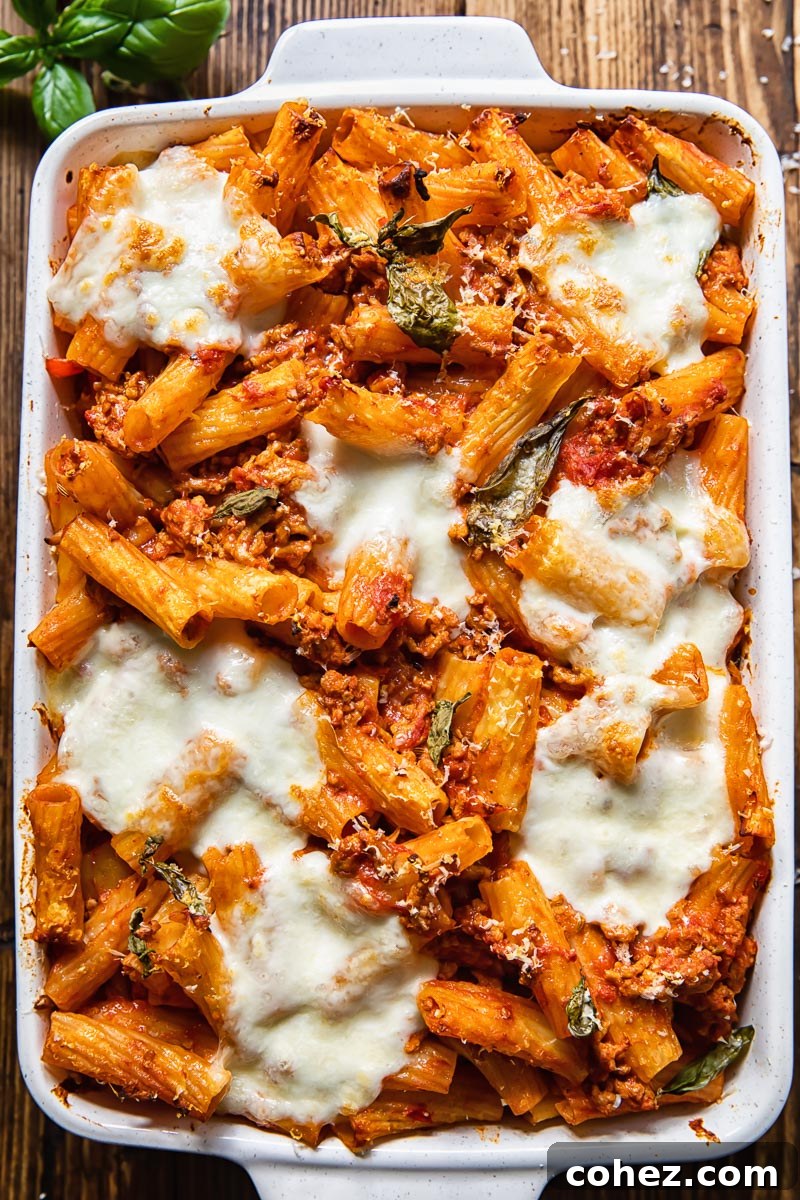
Welcome to the ultimate guide for creating a bubbling, comforting masterpiece: Pasta al Forno. While pasta finds its way onto our plates in every season – light and fresh in spring, vibrant in summer, hearty in autumn – it’s in winter that baked pasta truly shines. This classic Italian dish offers all the rich, molten goodness of a lasagna but with a significantly simpler preparation. Imagine tender rigatoni enveloped in a robust tomato sauce, infused with savory Italian sausage and a delicate hint of fennel, all crowned with a generous layer of perfectly melted, chewy cheese. It’s an invitation to warmth, a culinary embrace that makes even the chilliest winter nights feel cozy.
For those who prefer alternatives to pork, a delicious baked ziti offers a similar experience, embodying the spirit of Italian baked dishes without compromise. Regardless of your protein preference, the allure of a perfectly baked pasta dish is undeniable.
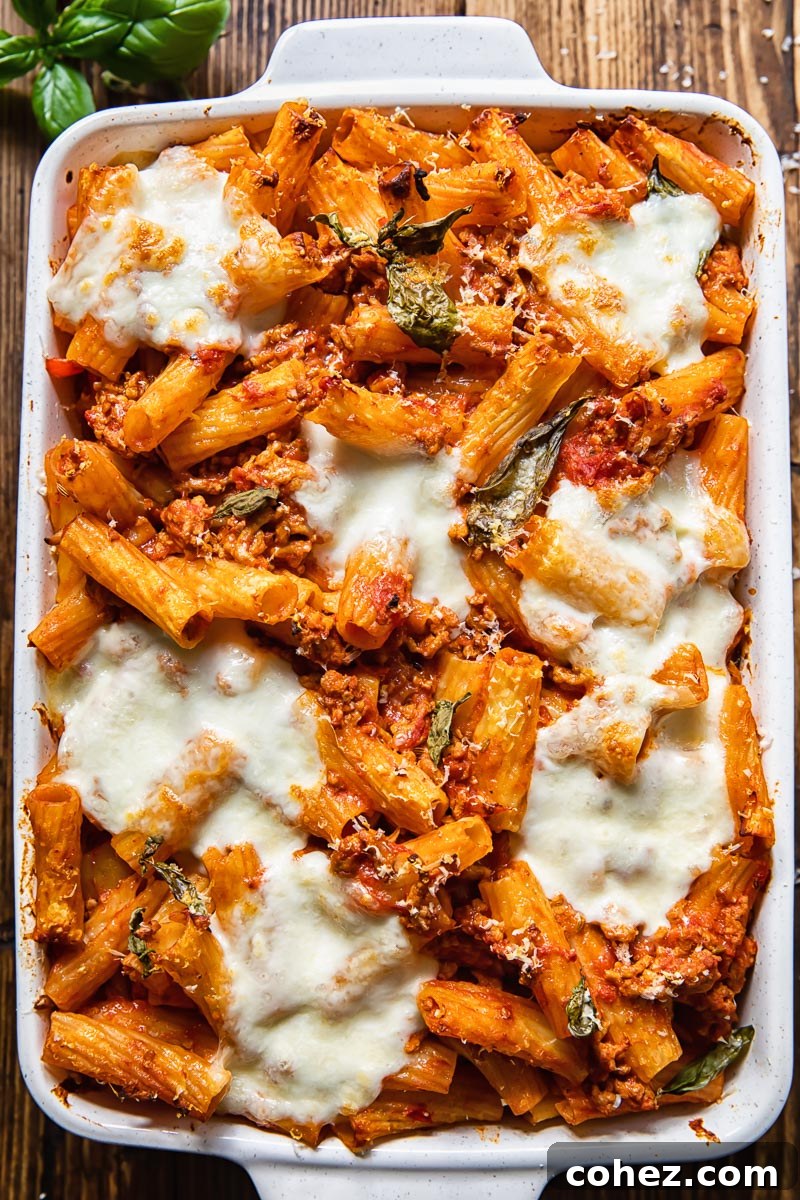
While often associated with cooler weather, the truth is that baked pasta, or “al forno,” can be enjoyed year-round. However, as temperatures drop, there’s a unique satisfaction in a meal that stays warm long after it leaves the oven. Unlike stove-top dishes, oven-baked casseroles retain their heat beautifully, making them ideal for leisurely family dinners or when guests arrive. This aspect is particularly valuable in busy households where schedules mean everyone might eat at different times, ensuring each plate served is just as comforting and warm as the last.
Understanding Pasta al Forno: More Than Just Baked Pasta
The term “al forno” is Italian for ‘to the oven,’ signifying a cooking method rather than a specific recipe. This versatile designation applies to any dish baked in an Italian oven, encompassing a wide array of culinary delights from pizzas and fish to vegetables (especially eggplant) and various types of bread. When we speak of Pasta al Forno, we’re referring to the Italian equivalent of a pasta bake – the ultimate comfort food for many.
The origins of pasta al forno can be traced back to the Middle Ages in Southern Italy. In those times, wood-fired ovens were often communal, serving entire towns and villages. This communal cooking method led to innovative ways of using leftover pasta, meat scraps, vegetables, and cheeses. These ingredients would be combined in a casserole dish, transported to the local oven, and baked to perfection – creating a hearty, resourceful meal. This historical context highlights pasta al forno’s legacy as a dish born of necessity and community, evolving into the beloved staple it is today.
Our recipe for pasta al forno provides a robust foundation, yet it’s designed with flexibility in mind. Feel free to follow it precisely or use it as a creative guide to assemble your own unique pasta bake, incorporating ingredients you love or have readily available. The beauty of this dish lies in its adaptability, allowing for endless variations to suit any taste or pantry.
Unlock Your Creativity: Substitutions and Variations
The comforting and satisfying nature of pasta al forno makes it a perfect canvas for culinary experimentation. While this particular recipe features Italian sausage for its rich flavor and ease of preparation, it’s incredibly versatile. Every component – from the pasta shape and protein to the vegetables, herbs, and cheeses – can be customized to create your family’s ideal baked pasta dish. Don’t hesitate to adapt it to your preferences!
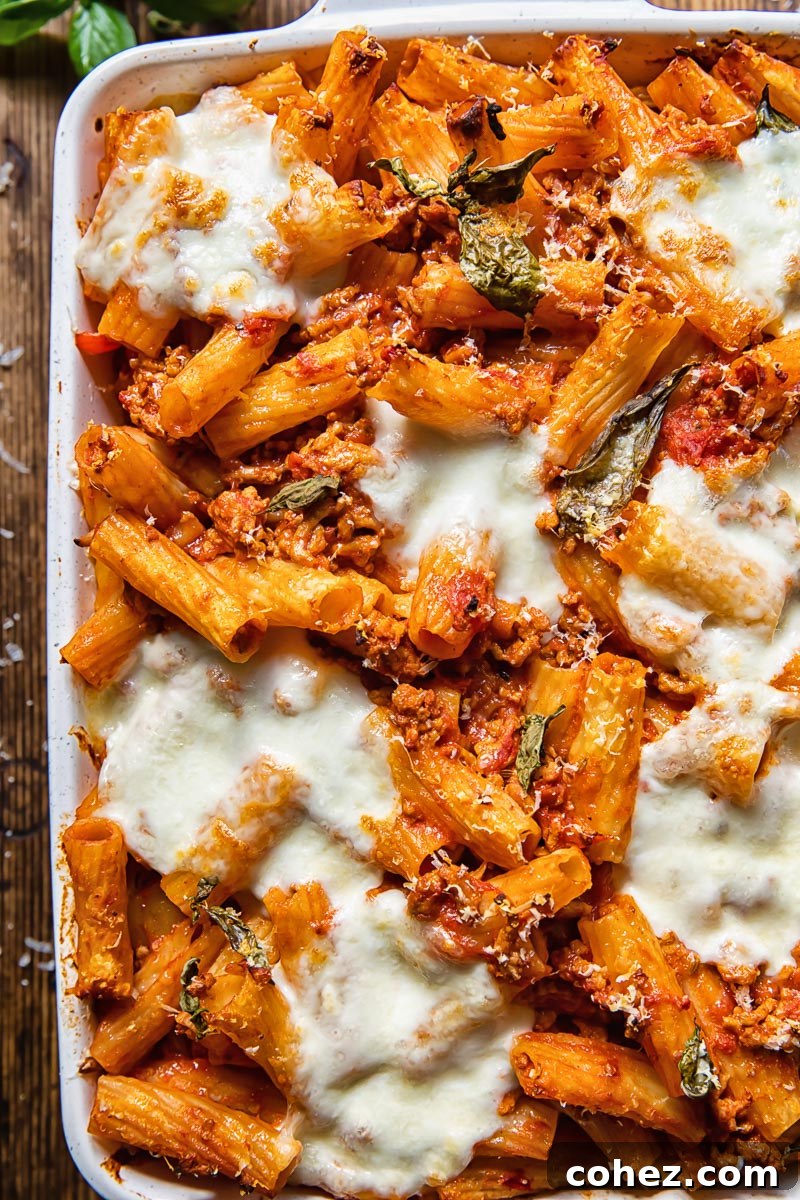
Choosing Your Pasta Shape: The best pasta shapes for al forno are those that are short, sturdy, and have plenty of surface area for sauce to cling to. Think frilly edges, crimped textures, ruffled surfaces, or ridged tubes. These shapes ensure that every bite is bursting with flavor, holding onto the rich sauce and melting cheese. Since the pasta will undergo a second cooking phase in the oven, a robust shape like rigatoni is ideal, preventing it from becoming mushy. Other excellent choices include penne, ziti, cavatappi, or even orecchiette.
Protein Powerhouse: If Italian sausage isn’t your preference, the possibilities are vast. Ground beef or pork can be used for an intensely rich and meaty flavor profile. For an authentic Italian touch, consider a ragú-style approach, combining half minced beef and half minced pork for a deeply savory and complex sauce. You could also incorporate cooked chicken, shredded beef, or even meatballs for a different texture and taste.
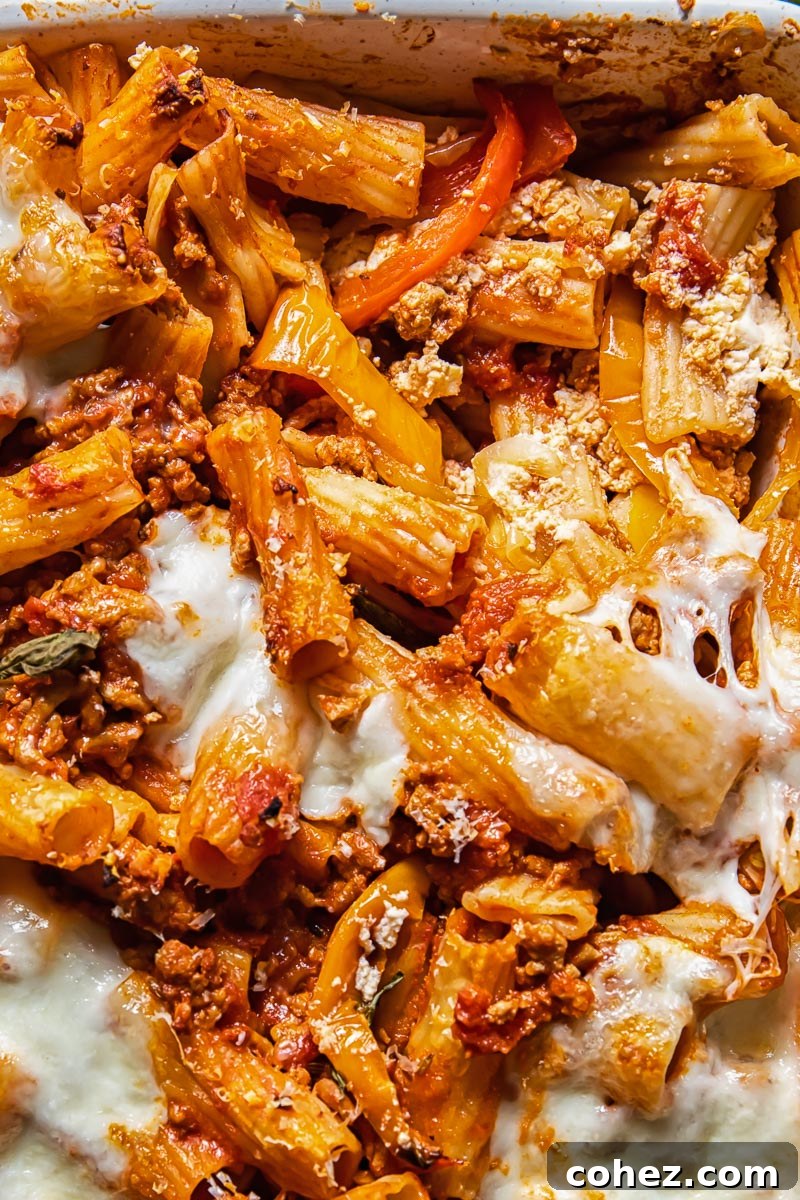
Vegetarian Delights: To create a delicious meat-free version, load up your pasta al forno with an abundance of roasted vegetables. This recipe already includes vibrant bell peppers in red, yellow, and orange, but for a truly satisfying vegetarian bake, consider adding zucchini, eggplant, mushrooms, spinach, or kale. Roasting the vegetables beforehand brings out their natural sweetness and depth of flavor, making them a fantastic addition.
Cheesy Combinations: While mozzarella and ricotta are staples, don’t be afraid to mix in other cheeses. A sprinkle of sharp provolone, creamy fontina, or even a smoked mozzarella can elevate the flavor profile. For an extra layer of richness, blend some mascarpone or cream cheese into your ricotta layer.
Herbs and Spices: Beyond fennel seeds, basil, and oregano, experiment with other Italian herbs like thyme, rosemary, or a pinch of red pepper flakes for a subtle kick. A bay leaf simmered in the sauce can also add depth, removed before baking.
Expert Tips for the Best Pasta al Forno
- Salt Your Pasta Water Generously: This is a golden rule for all pasta dishes. Salting the boiling water before adding your pasta seasons the pasta from the inside out and helps prevent it from becoming sticky. Think of it as seasoning the foundation of your dish.
- Cook Pasta Al Dente: Since the pasta will continue to cook and absorb moisture in the oven, it’s crucial to remove it from the boiling water just before it’s fully done – typically 1-2 minutes shy of package instructions. This ensures your pasta remains perfectly textured and doesn’t turn mushy after baking.
- Embrace Textured Pasta Shapes: For a saucy baked dish, short, ridged pasta varieties are excellent choices. Rigatoni, with its wide tubes and deep grooves, acts as a perfect catch-all for the rich sauce and melted cheese, ensuring every mouthful is packed with flavor. As a self-proclaimed pasta enthusiast, I find joy in knowing the stories behind pasta names: Rigatoni literally means ‘ridged,’ while mafalda translates to ‘little queens,’ and casarecce means ‘homemade.’ Experiment to find your favorite shapes for this dish!
- Don’t Fear a Runny Sauce (Initially): A pasta sauce that seems a bit thin before baking is exactly what you want! The pasta will absorb a significant amount of liquid as it bakes in the oven. I always recommend adding at least 250ml (1 cup) of pasta water to the sauce to prevent the dish from drying out. This starchy water also helps emulsify the sauce, making it cling beautifully to the pasta.
- Flexibility is Key: This is an incredibly versatile recipe. Don’t feel restricted by the ingredient list. Many authentic Italian versions, particularly those found in traditional households, might even include unexpected elements like whole boiled eggs buried within the layers for an extra treat!
- For Lasagna-Like Richness: If you desire a thick, gut-busting variation akin to lasagna, consider adding a layer of creamy béchamel sauce instead of or in addition to ricotta cheese. You can easily adapt a béchamel recipe from a classic chicken lasagna. Alternatively, whip up an elegant, simple, and luxuriously creamy Alfredo sauce with just three ingredients in about 10 minutes. This will add an extra dimension of decadence.
Elevate Your Meal: Serving Suggestions
One of the many charms of this Italian pasta bake is its completeness; it truly is a meal in itself, encompassing various food groups. However, to extend servings, introduce contrasting textures, or simply enhance the dining experience, pairing it with a few well-chosen sides can transform a comforting dinner into a feast.
- Artisan Bread: A warm, springy focaccia bread is an ideal companion, perfect for soaking up any leftover sauce from your plate. Its light, airy texture and savory herbs provide a delightful contrast to the rich pasta. Crusty ciabatta or garlic bread would also be excellent choices.
- Fresh Green Sides: To balance the richness of the tomato and cheese, crisp green vegetables are a must. Consider vibrant green beans with Parmesan cheese, offering a fresh crunch and tangy flavor. Alternatively, roasted Parmesan broccoli brings out the slightly bitter notes of broccoli, beautifully complementing the savory sauce of the pasta. A simple mixed green salad with a light vinaigrette is always a welcome addition.
- Italian-Style Salads: For an extra burst of fresh, lively herbs and bright flavors, classic Italian salads are perfect. A refreshing Caprese salad with ripe tomatoes, fresh mozzarella, and aromatic basil, drizzled with balsamic glaze, offers a light and zesty counterpoint. Or try a rustic Panzanella salad, featuring day-old bread, juicy tomatoes, cucumbers, and onions, all tossed in a tangy dressing.
- Wine Pairing: For adult diners, a medium-bodied red wine like Chianti, Sangiovese, or a robust Montepulciano d’Abruzzo would beautifully complement the rich, tomato-based sauce and savory sausage. A dry rosé also offers a refreshing contrast during warmer months.
Make Ahead and Meal Prep: Storage and Leftovers
Pasta al forno is an absolute dream for anyone who loves to batch cook or enjoys the convenience of make-ahead meals. Its flavors often deepen and meld even better after a day or two, making it perfect for preparing in advance.
- Batch Cooking for Future Meals: Consider doubling the recipe. You can enjoy one dish for dinner and freeze the second for a quick and easy meal later. Once the “freeze one” portion has completely cooled, cover it tightly with cling film and then foil. It will keep beautifully in the freezer for up to 4 months. When you’re ready to enjoy it, simply transfer it to the fridge overnight to thaw, then bake in the oven according to the recipe instructions until bubbly and heated through. You might want to add a splash of water or broth if it looks a little dry before reheating.
- Refrigerating Leftovers: Any “eat one” leftovers (if you’re lucky enough to have any!) can also be covered tightly and refrigerated for up to 3 days. When reheating, a splash of water or a little extra tomato sauce can help revive its moisture content. Reheat gently in the oven at a moderate temperature (around 175°C / 350°F) until thoroughly warmed, or in individual portions in the microwave.
- Freezing Cooked Leftovers: Cooked and cooled pasta al forno can also be frozen in individual portions for easy grab-and-go lunches or dinners. Store in airtight containers for up to 2-3 months. Thaw overnight in the refrigerator and reheat as described above.
Preparing this dish in advance not only saves time on busy weeknights but also ensures you always have a comforting, homemade meal at your fingertips. It’s the perfect solution for nourishing your family with minimal fuss.
More Delicious Baked Pasta Recipes to Explore
If you’ve fallen in love with the ease and comfort of pasta al forno, you’ll be thrilled to discover other fantastic baked pasta dishes:
- Layered Italian Baked Mac and Cheese
- Easy Stuffed Shells with Pesto and Tomato Beef Sauce
- Sausage Pasta Bake with Mozzarella
- Baked Penne alla Vodka with Meatballs
Pasta al Forno
Prep: 10 mins
Cook: 1 hr 10 mins
Servings: 6
A rich tomato-based recipe made with Italian sausage and a speck of fennel seed to make it sing, run through with rigatoni and topped off with melty, chewy cheese. Pure comfort!
Ingredients
- 3 bell peppers, red, yellow or orange
- 1 white onion
- 2 tbsp olive oil, divided
- 450 g / 1 lb pasta, such as rigatoni
- 450 g / 1 lb Italian sausage, casings removed
- 1 tsp fennel seeds
- 400 g / 14 oz canned chopped tomatoes
- 500 ml / 2 cups tomato passata, or crushed tomatoes
- 4-5 basil leaves sliced, or 1/2 tsp dried basil
- 1/2 tsp dried oregano
- 250 g / 8 oz ricotta cheese
- 150 g / 5 oz mozzarella cheese, fresh mozzarella balls sliced or shredded mozzarella
- 2 tbsp grated Parmesan cheese
- Salt to taste
Instructions
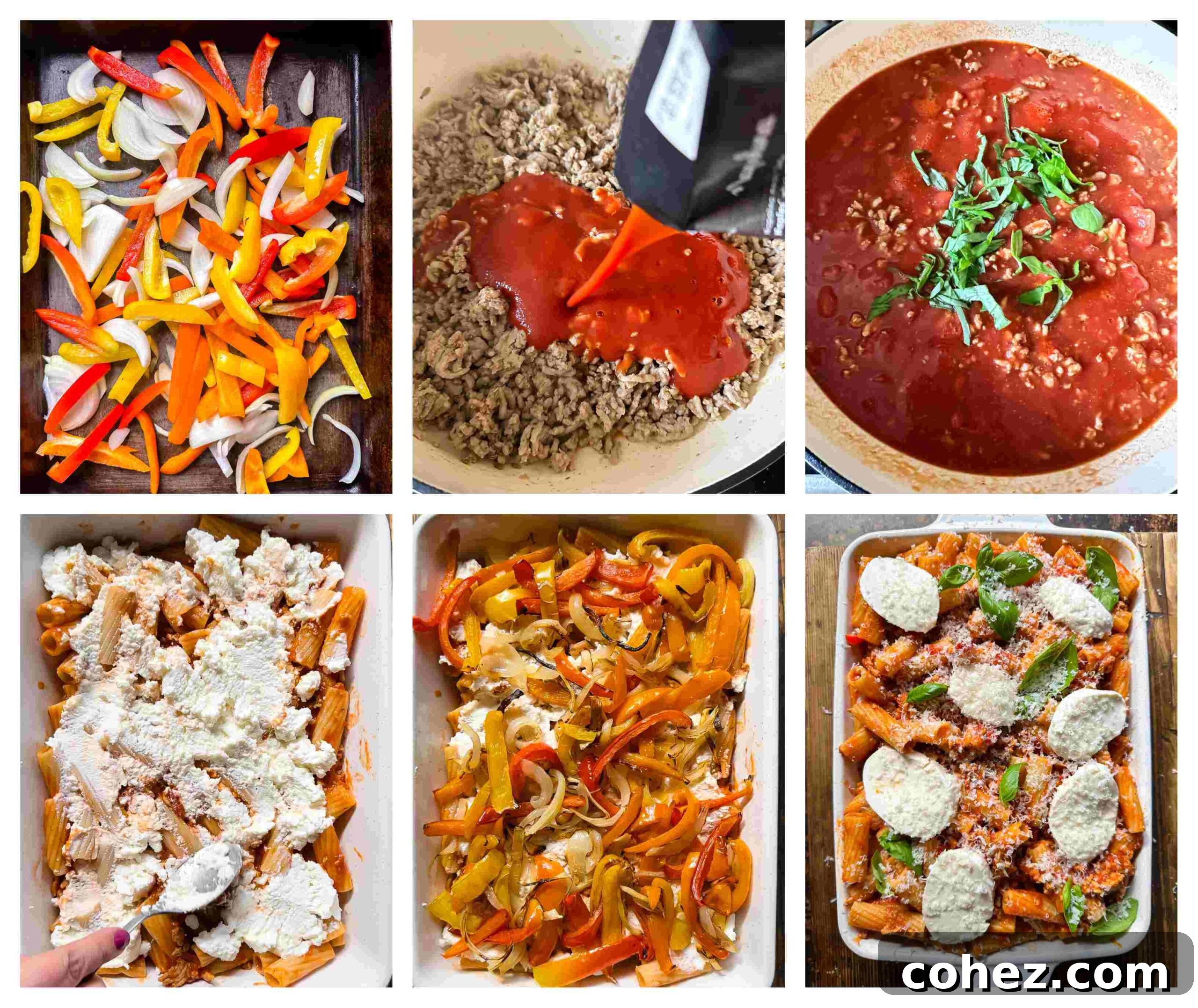
- Preheat the oven to 225C/450F. Slice the bell peppers and onions and arrange on a large baking sheet. Sprinkle with 1 tbsp of olive oil, toss, and roast in the preheated oven for 20 minutes until slightly charred and cooked all the way through. Take the peppers out of the oven and turn the temperature down to 190C/375F.
- Set a large pot of water to boil and cook pasta according to package instructions until al dente (slightly firm).
- In a large pan, heat 1 tbsp of olive oil. Add the Italian sausages with their casings removed, break up the sausage with a spoon, and cook until browned. Then, add the fennel seeds and cook for 30 seconds longer to toast the seeds. Pour in the chopped tomatoes, tomato passata, and 1 cup/250ml water. (Tip: You can rinse out the tomato can with water and add it to the pan to capture all the flavor.)
- Add in the basil, oregano, and a pinch of salt. Bring to a boil, then cover with a lid, lower the heat to medium-low, and simmer for 20 minutes.
- Drain the cooked pasta, reserving 1 cup of the pasta water. Add the pasta with the reserved pasta water to the sauce and toss to coat thoroughly.
- Add half of the pasta mixture to a rectangular 9 inch x 13 inch baking dish. Top with an even layer of ricotta cheese and a layer of the roasted peppers and onions. Add the second half of the pasta mixture and top with sliced fresh mozzarella balls or shredded mozzarella. Scatter a few basil leaves all over and finish with a generous grating of Parmesan cheese. Bake in the preheated 190C/375F oven for 20-23 minutes, or until the cheese is bubbly, golden, and the pasta is heated through.
Nutrition information is automatically calculated, so should only be used as an approximation.
Tried this recipe?
Let us know how it was!