
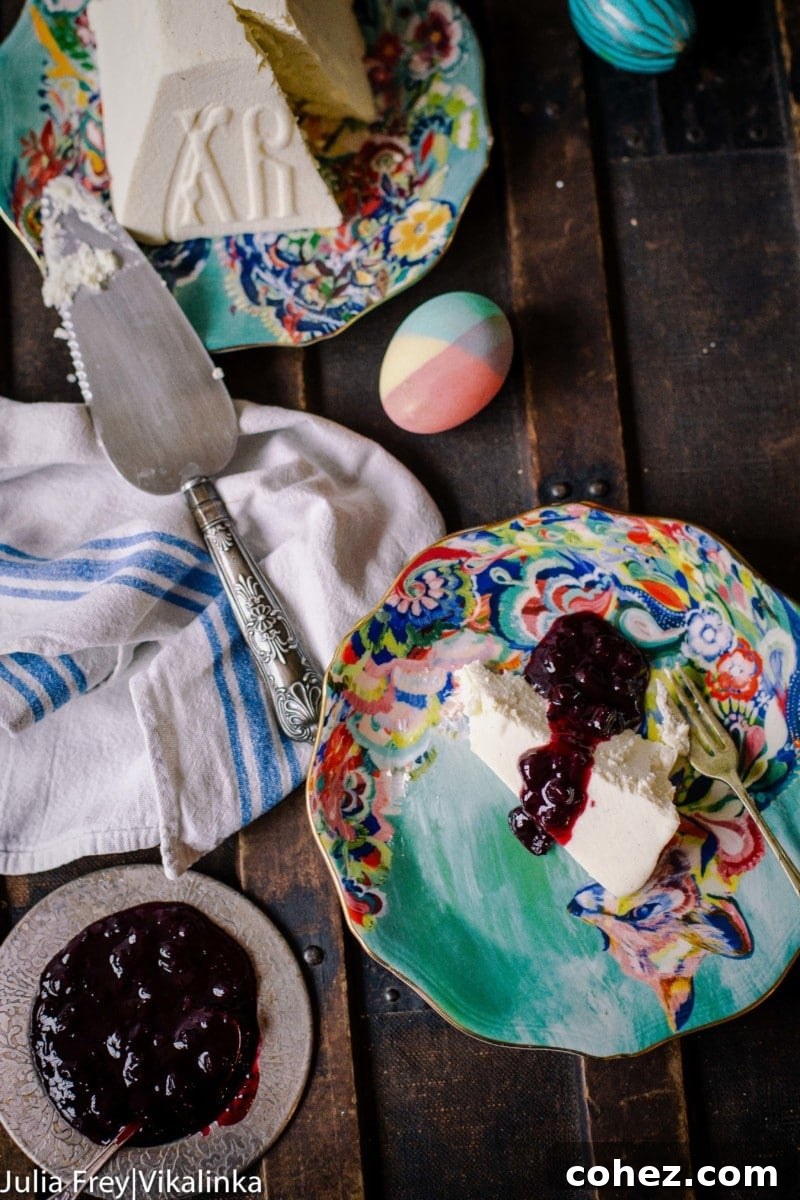
If you are a cheesecake enthusiast, prepare to be captivated by this extraordinary Paskha recipe! It’s arguably the most elegant, aromatic, and truly unforgettable no-bake cheesecake you’ll ever encounter, a cherished cornerstone of any Orthodox Easter celebration.
For those seeking to expand their Easter dessert repertoire, be sure to explore our Easy English Trifle or delve into our comprehensive Easter recipe collection for more delightful ideas.
Experience the Sweet Tradition of Paskha: An Authentic No-Bake Orthodox Easter Cheesecake
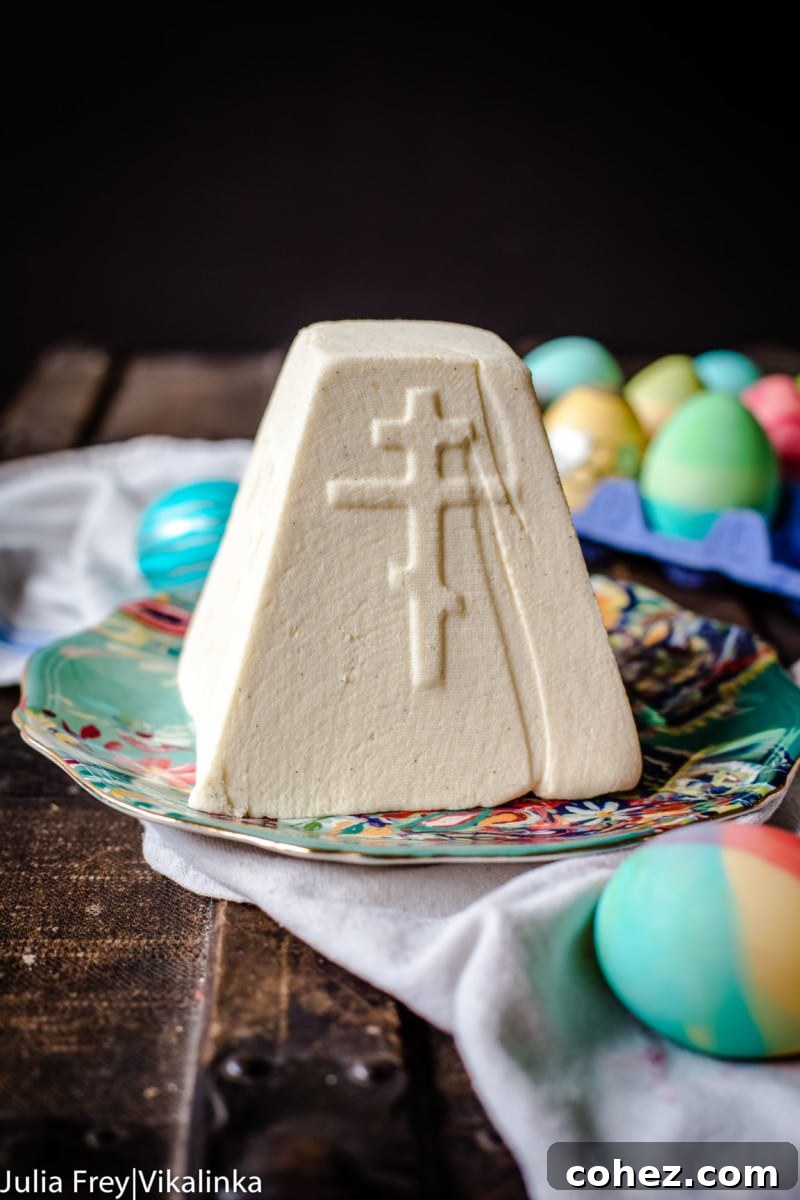
While my kitchen doesn’t usually overflow with sweet confections, certain special occasions, such as major holidays or birthdays, truly call for something exceptional. This year, I’m delighted to share a recipe for a dessert that embodies both tradition and pure indulgence: the sweet cheese pudding known as Paskha. Also recognized as a no-bake cheesecake, this culinary gem might not be widely known outside of Eastern Europe, but it holds a deeply revered place in the hearts and homes of Russia and Ukraine during the Easter holiday.
Orthodox Easter, following a different calendar, often falls on a later date than Western Easter. Regardless of when it arrives on your calendar, Paskha promises to be a magnificent addition to your festive spread, perfectly complementing other traditional delights like Kulich, the sweet Easter bread, and beautifully decorated eggs. Its rich history and unique preparation make it far more than just a dessert; it’s a symbol of celebration and renewal.
What is Paskha (Pashka)? More Than Just a Dessert
At its core, Paskha—sometimes spelled Pashka—is best described as a sublime no-bake cheesecake. However, this definition barely scratches the surface of its cultural and symbolic significance. It’s a rich, creamy, and often subtly sweet dairy dessert that is an integral part of the Orthodox Easter feast, symbolizing the richness of Christ’s resurrection and the joyful abundance of the holiday season.
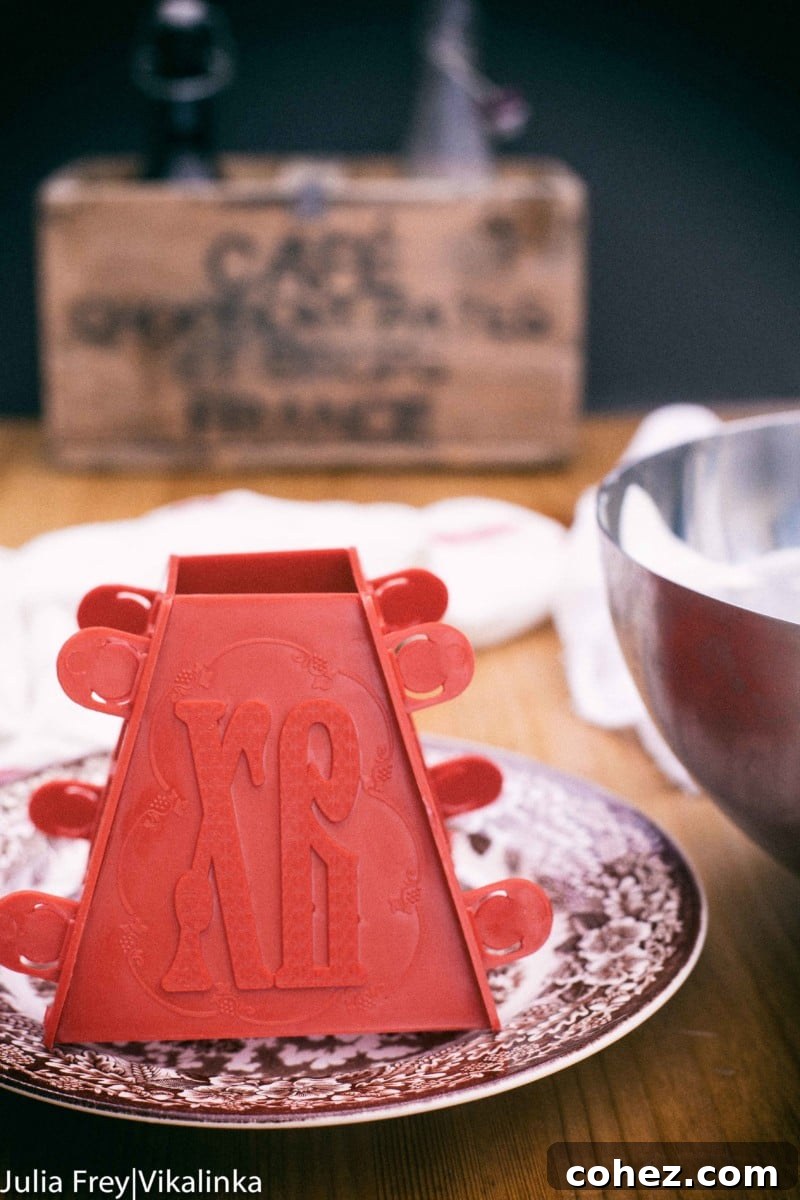
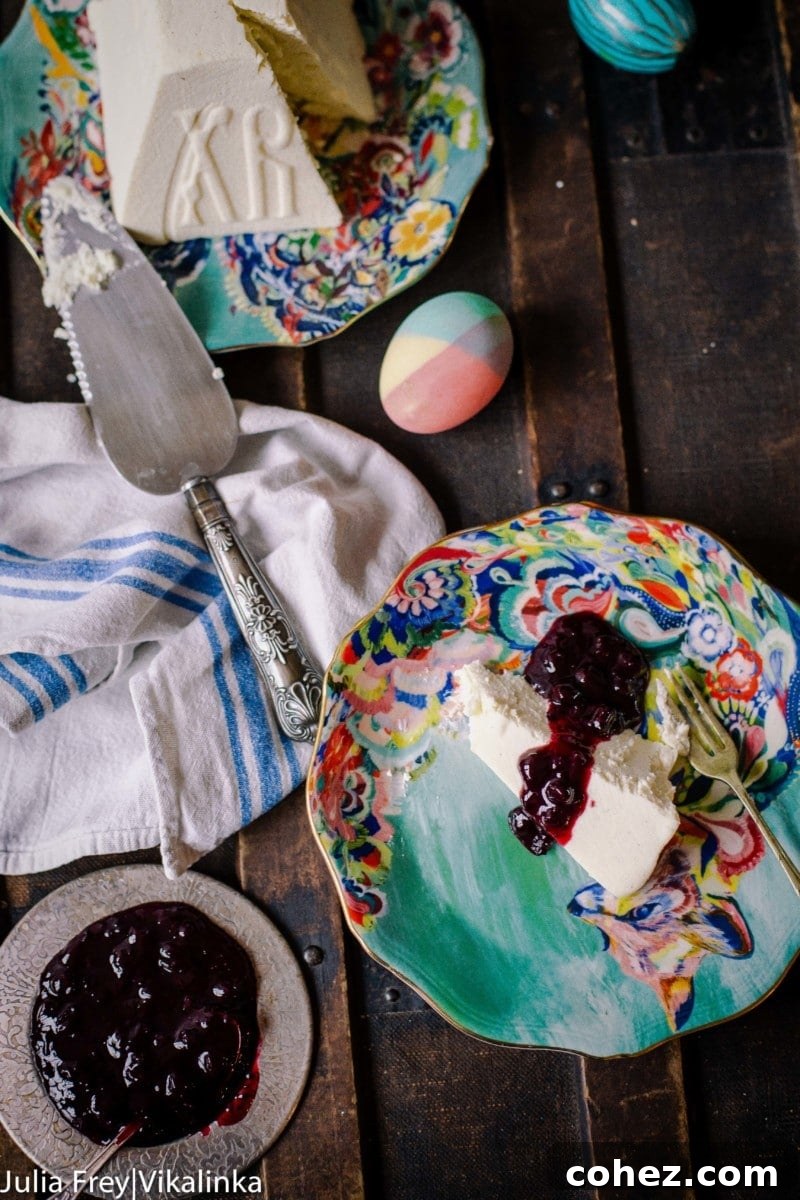
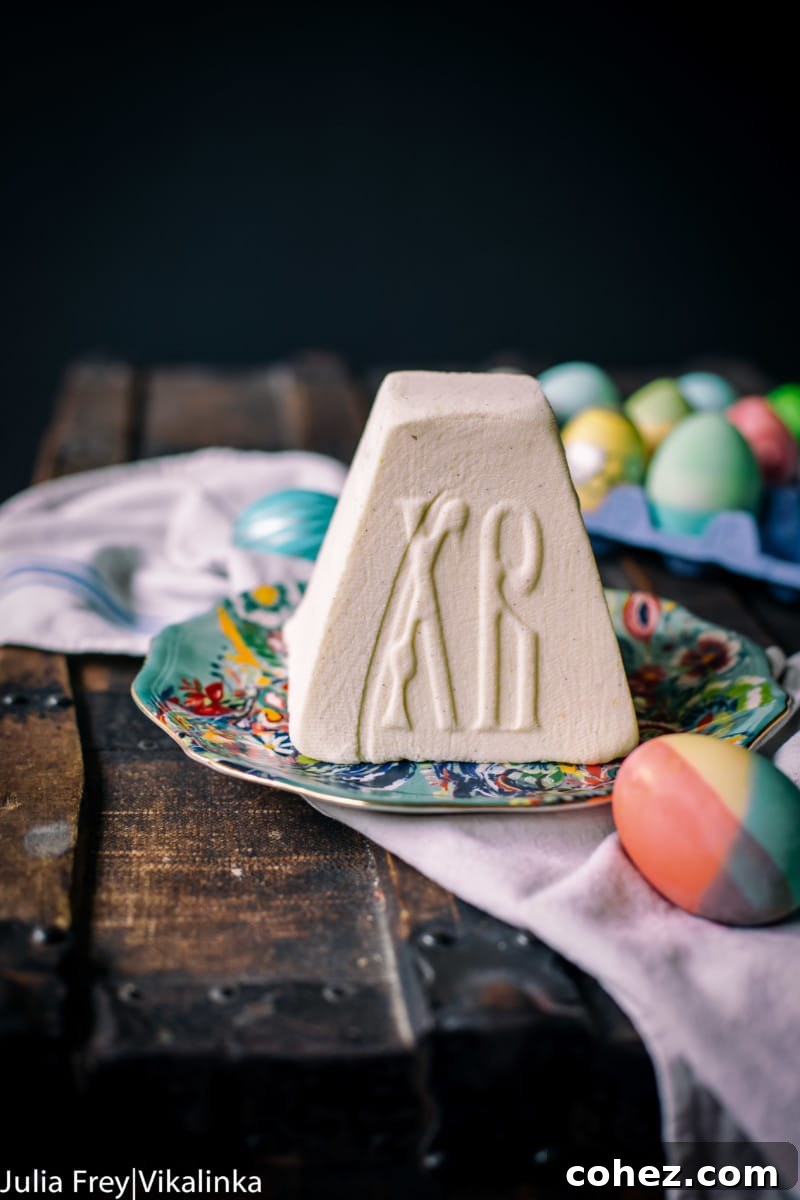
What truly sets Paskha apart is its distinctive shape, achieved through a special mold called a “pasochnitsa.” Traditionally crafted from wood, these molds are designed to impress a unique, truncated pyramid shape onto the cheese mixture, often featuring intricate Christian symbols like the cross, the letters “XB” (for “Christos Voskrese” – “Christ is Risen”), or a spear and staff. These symbols are not merely decorative; they carry profound religious meaning, commemorating the Resurrection of Christ and evoking the pyramids of Egypt and the first Passover. While traditional wooden molds can be challenging to source in some regions, the advent of online shops has made them much more accessible, allowing enthusiasts worldwide to recreate this authentic dessert. I managed to find mine through an online retailer, and it worked beautifully, proving to be more practical than wood, especially in a humid climate where traditional materials might be prone to mold (pun absolutely intended!).
Crafting Your Own Paskha: A Modernized Classic Recipe
Traditional Roots vs. Contemporary Twists
The authentic Paskha recipe typically calls for a blend of farmer’s cheese (known as Tvorog in Russian), fresh eggs, sugar, and an assortment of dried fruits and nuts. However, I’ve refined this classic to suit modern preferences and ensure food safety without compromising its traditional essence. My adaptation omits fresh eggs to address any concerns regarding raw egg consumption, and I’ve also left out the dried fruits and nuts. While I don’t generally dislike all dried fruits or nuts, I find their texture can sometimes clash with the smooth, creamy consistency of this particular cheese pudding, which, in my opinion, is best enjoyed unadulterated.
To compensate for these omissions and to elevate the flavor profile, I introduced a fragrant vanilla bean, luxurious crème fraîche, and the vibrant zest and juice of a fresh lemon. These additions infuse the Paskha with bright, sophisticated notes that beautifully complement the rich cheese base. The result was an absolute triumph! Served alongside a spoonful of tart blackcurrant preserve, my modernized Paskha tasted incredibly authentic and wildly delicious, proving that sometimes, a few thoughtful tweaks can enhance a time-honored recipe for contemporary palates.
Key Ingredient Spotlight: Farmer’s Cheese (Tvorog)
Understanding Tvorog: A Unique Dairy Delight
If you’ve never encountered farmer’s cheese, or Tvorog, you are in for a delightful culinary discovery. This versatile dairy product is somewhat similar to Italian Ricotta, yet it possesses its own distinct characteristics. Tvorog typically has slightly larger curds and a wonderfully subtle tang that adds depth to both sweet and savory dishes. Its unique texture and flavor are what give Paskha its characteristic richness and creamy mouthfeel, making it indispensable for an authentic result.
Finding Tvorog has become increasingly easier in many parts of the world. In the UK, for instance, it’s often available in major supermarkets, and certainly in local Eastern European specialty shops. For those who enjoy a DIY approach or can’t find it locally, making your own Tvorog is a rewarding experience. Reputable food blogs, such as Natasha’s Kitchen, offer excellent, straightforward Tvorog recipes that guide you through the process. The effort is well worth it for the superior quality and freshness it brings to your Paskha.
Essential Tips for Paskha Perfection
Customizing Your Paskha: Additions and Flavors
- While traditional Paskha often includes candied fruit, nuts, and raisins, my family prefers the pure, elegant simplicity of vanilla. However, feel free to incorporate your favorite additions—simply mix them into the cheese mixture when combining the other ingredients. Popular choices include finely chopped dried apricots, golden raisins, or toasted almonds for added texture and flavor.
The Significance of the Paskha Mold and Its Use
- Paskha is famously made in a special mold that imparts a tall, pyramid shape adorned with Christian symbols. This design serves as a powerful reminder of the pyramids of Egypt and the Israelites’ exodus during the first Passover, connecting the holiday to profound historical and religious narratives. These unique molds are readily available online through various specialty shops or, as I discovered, from marketplaces like Etsy, often shipped directly from regions with rich Orthodox traditions like Ukraine.
Achieving the Perfect Texture: Packing and Draining
- To ensure your Paskha holds its iconic shape and displays those beautiful, crisp lines from the mold, it is crucial to pack the cheese mixture very tightly into the pasochnitsa. This firm packing prevents air bubbles and ensures a dense, well-formed dessert. A loosely packed Paskha will be too soft to stand on its own and will lack the aesthetic appeal.
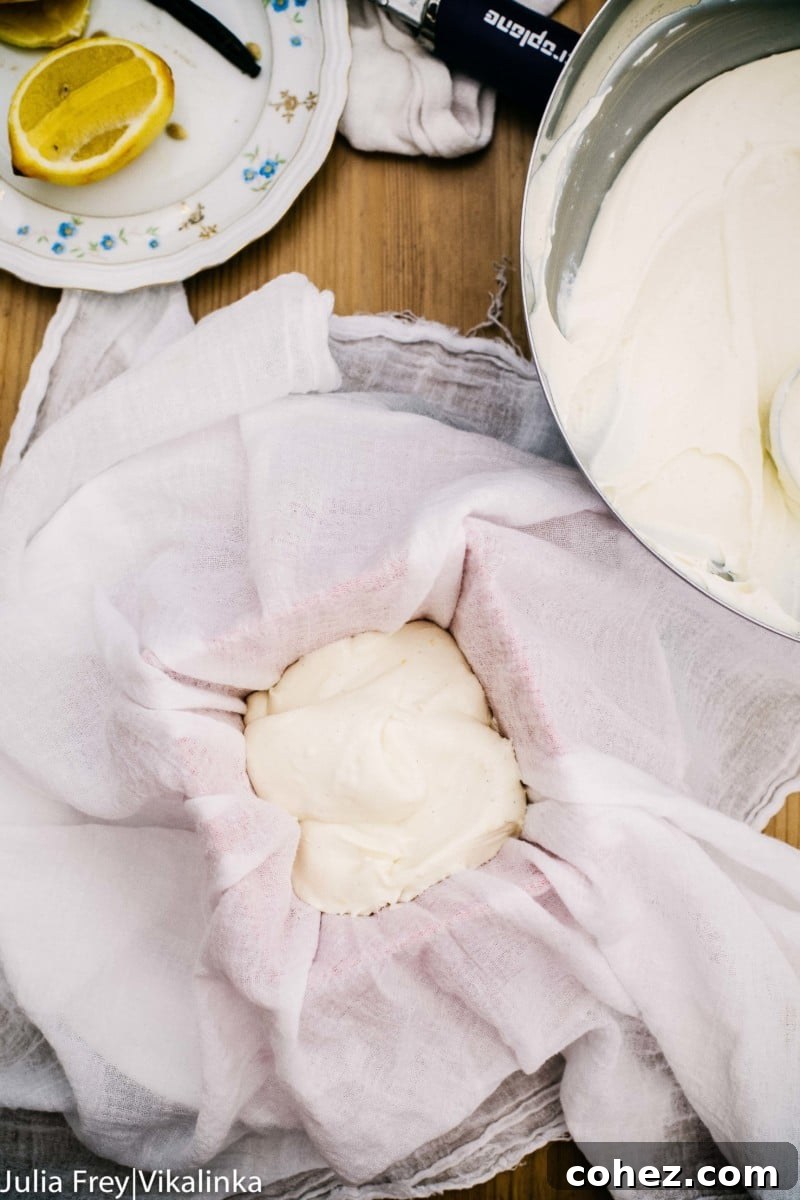
- Cheesecloth is an indispensable tool in this process. Lining the mold with cheesecloth allows excess moisture from the cheese to drain away slowly and effectively. This critical step results in a firm, smooth, and perfectly shaped Paskha, giving it the ideal consistency and structure that is characteristic of this cherished dessert.
Post-Preparation Care
- As Paskha is a dairy-rich product, any leftovers should always be promptly refrigerated. Proper storage will help maintain its freshness and ensure it remains delicious for several days.
Serving Your Beautiful Paskha
With its impressive tall, pyramid structure, it might seem daunting to serve Paskha, but it’s surprisingly straightforward. Once unmolded, simply slice it as you would any other cake or a dense loaf of bread. The clean lines created by the mold make it easy to cut neat portions. Traditionally, Paskha is often enjoyed slathered on a thick slice of crusty bread, providing a delightful contrast of textures and flavors. However, it’s equally wonderful savored on its own, allowing its rich, creamy goodness to take center stage. For an extra touch of indulgence, add a generous dollop of your favorite fruit jam or a spoonful of light, freshly whipped cream. Paskha pairs beautifully with a warm cup of tea or strong coffee, making it a perfect accompaniment for any Easter brunch or dessert spread.
Storing Paskha: Enjoying Your Dessert Longer
Just like other no-bake cheesecakes, Paskha requires proper storage to maintain its freshness and delightful texture. For refrigeration, ensure the Paskha is well-covered with plastic wrap or stored in an airtight container large enough to accommodate its unique shape. Kept in the refrigerator, it will remain fresh and delicious for approximately 4-5 days, making it an ideal make-ahead dessert for your Easter celebrations.
If you wish to enjoy Paskha beyond this timeframe, it freezes exceptionally well. First, wrap the Paskha tightly in plastic wrap, ensuring no air exposure, then follow with a layer of aluminum foil for added protection against freezer burn. When properly wrapped, Paskha can be stored in the freezer for up to three months. To serve, simply transfer it to the refrigerator and allow it to thaw completely overnight or for several hours until it returns to its creamy consistency. This allows you to savor the taste of Orthodox Easter long after the holiday has passed.
More Delightful Easter Recipes
- Lemon Vanilla Posset
- Carrot Cake with Cream Cheese Frosting
- Lemon Curd Cheesecake
- Basque Cheesecake with Raspberry Compote
- Lemon and Poppyseed Hot Cross Buns
Sweet Cheese Pudding ‘Paskha’
Ingredients
- 1.4 kg /3 lbs farmer’s cheese Tvorog
- 175 ml/ 3/4 cup crème fraîche or sour cream, full fat
- 150 g/ 2/3 cup unsalted butter
- 300 g/ 1.5 cup sugar
- 1 vanilla bean, seeds scraped out
- 1 lemon, zest and juice
Instructions
-
Zest a lemon and juice it, split the vanilla bean and scrape out seeds.
-
In a food processor combine farmer’s cheese, crème fraîche, softened butter, sugar, vanilla bean seeds and zest and juice of one lemon. Process until silky smooth.
-
Turn the Paskha mold upside down and set inside a bowl, line it with cheese cloth so the ends are long enough to cover the bottom of the mold. Transfer the cheese mixture into the mold, pack it tightly to avoid air bubbles.
-
Cover the top with cheese cloth and set a plate on top of, which then should be weighed down with something heavy like a mason jar filled with water.
-
Refrigerate for at least 10 hours. When the cheese pudding is ready to be unmolded you should see some liquid from farmer’s cheese at the bottom of the bowl. This means the cheese pudding is sufficiently drained and will be able to hold its shape.
-
Uncover the base of cheese pudding from the cheese cloth and place a plate directly on top of cheese, then invert the cheese pudding while still in the mold onto a serving plate, gently pull the mold off the cheese pudding and then remove the cheese cloth.
-
Serve with any fruit preserves and whipping cream if desired.
Nutrition
Calories: 560kcal |
Carbohydrates: 40g |
Protein: 24g |
Fat: 34g |
Saturated Fat: 21g |
Polyunsaturated Fat: 1g |
Monounsaturated Fat: 5g |
Trans Fat: 1g |
Cholesterol: 111mg |
Sodium: 709mg |
Potassium: 51mg |
Fiber: 0.4g |
Sugar: 39g |
Vitamin A: 608IU |
Vitamin C: 7mg |
Calcium: 30mg |
Iron: 0.1mg
Nutrition information is automatically calculated, so should only be used as an approximation.
Tried this recipe?
Let us know how it was!