
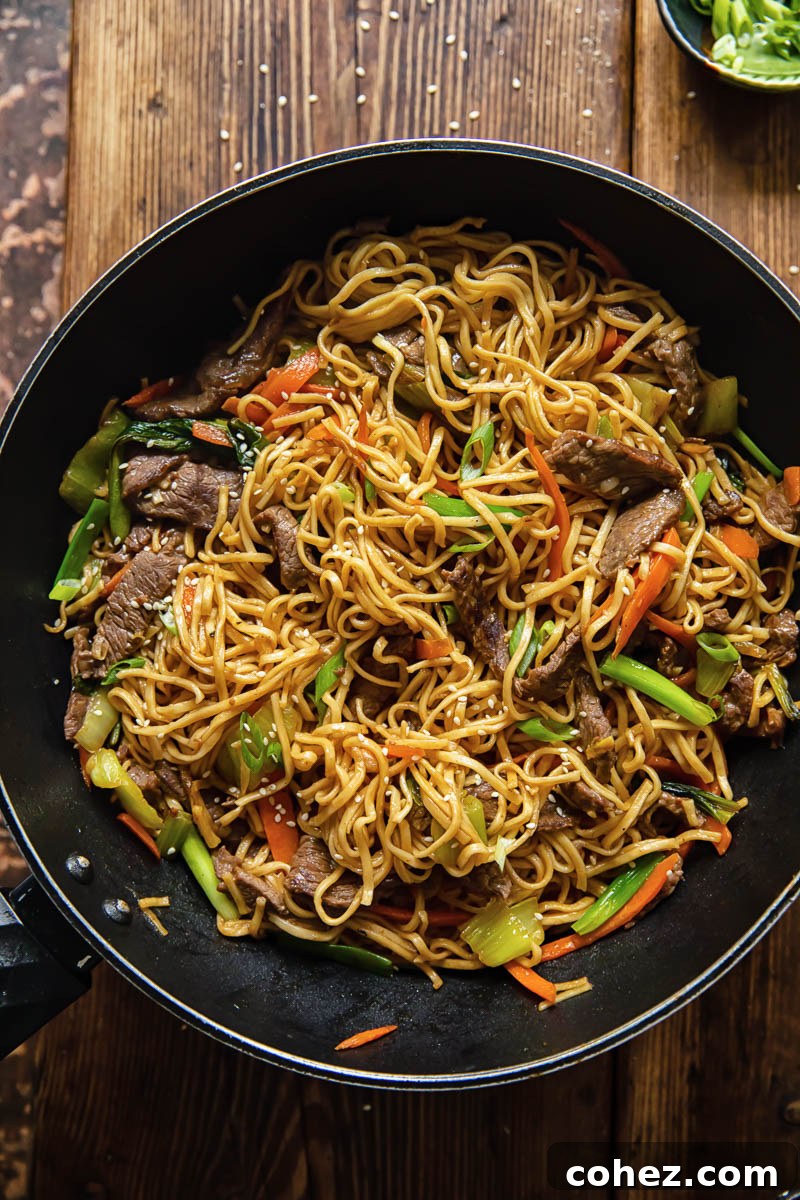
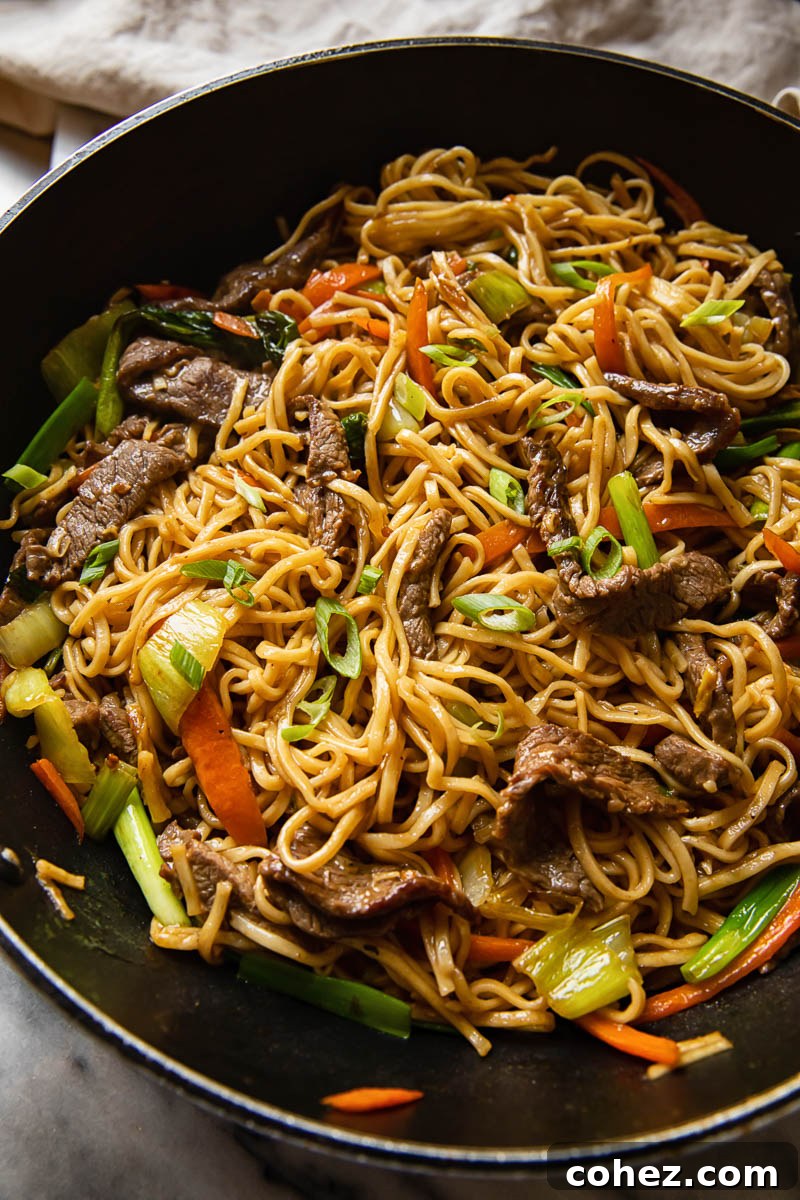
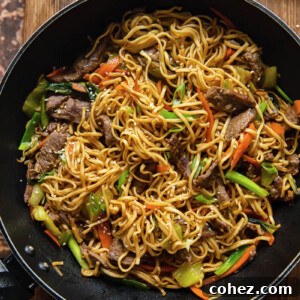
Welcome to your kitchen, where the authentic flavors of Asia are just minutes away! Forget takeout – this **Beef Chow Mein recipe** is a vibrant, satisfying dish packed with tender egg noodles, crisp vegetables, and succulent strips of thinly sliced steak, all brought together by an irresistible savory sauce. Best of all, this beloved Chinese classic comes together in under 30 minutes, making it the perfect choice for a nutritious and unbelievably delicious homemade meal any night of the week.
If you’re looking to round out your Asian-inspired feast, consider starting with our delightful Salt and Pepper Shrimp for a truly memorable culinary experience.
Demystifying Asian Cooking at Home
Many home cooks feel a touch intimidated when approaching Asian cuisine, especially those who didn’t grow up with its diverse flavors and techniques. I certainly felt that way! However, after immersing myself in the vibrant food culture during my time in Asia and observing local chefs at work, I realized that mastering these dishes is more accessible than it seems. The secret lies not in exotic ingredients, but in understanding a few fundamental cooking principles.
As the saying goes, practice makes perfect, but having the right knowledge helps immensely. One of the primary distinctions between Western and Asian cooking styles often comes down to the application of heat. For noodle dishes and stir-fries, incredibly high heat is not just recommended, but essential. This high heat, often referred to as “Wok Hei” or the “breath of the wok,” ensures ingredients cook rapidly, locking in their natural flavors and achieving that signature crisp-tender texture that makes Asian stir-fries so satisfying.
When preparing this style of food, vegetables and meat are typically sliced thinly. This allows for quick cooking at high temperatures, ensuring that each bite offers a delightful crunch from the vegetables and a juicy tenderness from the meat. It’s a culinary philosophy that prioritizes freshness, speed, and vibrant textures, all of which contribute to the irresistible appeal of dishes like Chow Mein.
Understanding Chow Mein Noodles
The term “Chow Mein” directly translates to “fried noodles,” which gives us a crucial clue about the cooking method. While it doesn’t mean drenching your noodles in excessive oil, it absolutely mandates turning up the heat! A scorching hot wok or a very large pan is key to achieving that perfect texture – slightly crispy, beautifully browned, and infused with incredible flavor. It’s important to resist the temptation to double this **Beef Chow Mein recipe** in a single pan. An overcrowded wok will inevitably lower the temperature, leading to steamed ingredients rather than a true stir-fry, compromising the desired texture and taste.
Beyond the noodles themselves, Chow Mein typically features a colorful medley of fresh vegetables and is subtly enhanced with a touch of protein. While this recipe highlights succulent beef, the beauty of Chow Mein lies in its versatility. You can easily adapt it to your preferences, using chicken, pork, or even a lighter option like shrimp. If you’re in the mood for seafood, don’t miss our Easy Shrimp Chow Mein, which offers another fantastic take on this classic dish.
Choosing the Best Vegetables for Chow Mein
One of the joys of making homemade Chow Mein is the freedom to customize the vegetables to your liking. Most varieties of vegetables can be incorporated into this recipe, but for a truly authentic stir-fry experience, prioritize those that cook quickly and maintain a pleasant crispness. Excellent choices include crisp bok choy, thinly shredded cabbage, delicate snow peas, vibrant red and yellow bell peppers, and finely julienned carrots. These vegetables cook rapidly at high heat, retaining their color, texture, and nutritional value.
However, if you’re a fan of heartier vegetables like broccoli or cauliflower, you absolutely can include them! The trick is to blanch them first. A simple method is to cook them in the same pot as your noodles for about 3-4 minutes until they are tender-crisp. This pre-cooking step ensures they are perfectly cooked by the time they hit the hot wok, preventing them from either being undercooked or turning mushy during the rapid stir-frying process. Experiment with seasonal produce to keep your **homemade Chow Mein** exciting and fresh.
Crafting the Perfect Chow Mein Sauce
Any connoisseur of Asian cuisine knows that the sauce is the soul of the dish. For Chow Mein, it’s the rich, savory, and slightly sweet liquid gold that coats every noodle and vegetable, delivering that signature flavor profile we all crave. The good news is that all the ingredients for a truly spectacular **Chow Mein sauce** are readily available at most local supermarkets, and you likely already have many of them in your pantry or fridge.
Key components include oyster sauce, which provides a rich umami depth; dark soy sauce, essential for both its richer, more concentrated flavor (distinct from regular soy sauce) and its ability to give the dish a beautiful, appetizing color; a touch of sugar or honey to balance the savory notes; white pepper for a subtle aromatic warmth; and fragrant sesame oil, which adds a nutty aroma at the finishing stage.
For an extra layer of authentic flavor that truly elevates your homemade Chow Mein, consider investing in Chinese Cooking Wine, specifically Shaoxing Wine (also known as Shaohsing Wine). This staple of Chinese pantries offers a unique aromatic depth that no other ingredient can quite replicate. A bottle will last you for many culinary adventures and adds a special touch that makes all the difference in achieving that genuine restaurant-quality taste.
Expert Tips for Perfect Beef Chow Mein
- **Aromatics are Key:** Beyond the main ingredients, virtually every authentic Chinese recipe relies heavily on fresh aromatics like ginger, garlic, and green onions. Using fresh produce delivers the most vibrant and pungent flavors. However, if time is of the essence, high-quality jarred garlic and ginger pastes can be excellent and convenient alternatives.
- **”Mise en Place” is Essential:** Chow Mein is a remarkably quick dish; the actual frying process takes mere minutes. Once the heat is on, things move very fast. To ensure a smooth and successful cooking experience, it is crucial to prepare and cut all your ingredients – meat, vegetables, and sauce – *before* you even turn on your stove. This organized approach, known as “mise en place,” prevents last-minute scrambling and ensures nothing burns.
- **Precision Cutting:** The size and thickness of your vegetables significantly impact cooking time and final texture. It’s important to cut all vegetables into small, bite-sized pieces. For denser vegetables like carrots, slicing them into very thin matchsticks is particularly critical. A julienne peeler is an invaluable tool for achieving perfectly uniform, thin strips effortlessly.
- **Thinly Sliced Beef:** In traditional Chinese cooking, meat is often used sparingly, serving more as a flavor enhancer than the dominant centerpiece of the meal. This approach also contributes to its rapid cooking. Slicing your steak very thinly, ideally no thicker than 1/4 inch, is crucial. A clever trick to make this easier is to freeze your steak for about 30 minutes before slicing; it firms up the meat, allowing for cleaner, more precise cuts.
- **Don’t Overcook the Veggies:** The hallmark of a great stir-fry is crisp-tender vegetables. Resist the urge to cook them longer than recommended. If your vegetables are cut into small pieces as advised, they will require only a short amount of time in the hot wok to become perfectly cooked while still retaining a slight bite. Overcooking will lead to a mushy texture that is undesirable in Chow Mein.
Serving Your Delicious Beef Chow Mein
One of the best aspects of Beef Chow Mein is that it’s a complete meal in itself. With a harmonious blend of noodles, protein, and a vibrant assortment of nutritious vegetables, there’s truly no need for elaborate side dishes. This simplicity is always a win in our busy lives!
However, to elevate the presentation and add an extra layer of flavor and texture, I love to garnish my Chow Mein with a sprinkle of toasted sesame seeds and freshly chopped green onions (the green parts). These simple additions provide a beautiful visual contrast and a fresh, nutty finish. For those who enjoy a little extra kick, I always bring a bottle of extra soy sauce for a salty boost and sriracha to the table. This allows everyone to customize their dish to their desired level of saltiness or spice. Enjoy this hearty and flavorful dish, knowing you’ve created something wonderful in your own kitchen.
Storage and Leftover Tips
Cooked Beef Chow Mein is excellent for meal prep or enjoying as leftovers. Any leftover noodles can be safely stored in an airtight container in the refrigerator for 3-4 days. Reheating is straightforward – a quick warm-up in the microwave is usually all it takes to bring this delicious dish back to life.
If you’d like to extend the life of your leftovers even further, Chow Mein freezes beautifully for up to 2-3 months. To maintain quality and safety, it’s always best practice to refrigerate or freeze any leftovers within two hours of cooking.
More Favorite Asian Noodle Dishes to Explore
- Singapore Noodles
- Easy Dan Dan Noodles
- Chicken Yaki Udon
- Filipino Noodles Pancit (Pancit Canton)
Rating: 5 out of 5 stars (3 votes)
Beef Chow Mein
Julia Frey of Vikalinka
10 mins
15 mins
25 mins
4
Pin Recipe
Print Recipe
Equipment
-
Carbon steel wok
-
Julienne peeler
Ingredients
- 1 tbsp cornstarch, heaping
-
2 tsp
soy sauce
-
2 tbsp
Shaoxing wine (Chinese cooking wine) or dry sherry
- 450g/1 lbs rump/sirloin steak, sliced very thinly
- 340g/12 oz Asian medium egg noodles
- 2 tbsp vegetable oil
- 2-3 green onions
- 2 cloves garlic, minced
- 1 inch ginger root, sliced into thin matchsticks or grated
- 1 carrot
- 1 large bok choy or two baby bok choy
- 1 tsp sesame seeds
For the sauce
-
1 tbsp
dark soy sauce
-
2 tbsp
oyster sauce
- 2 tsp sugar
- 1/2 tsp white pepper
- 1-2 tsp sesame oil
- salt to taste
Instructions
-
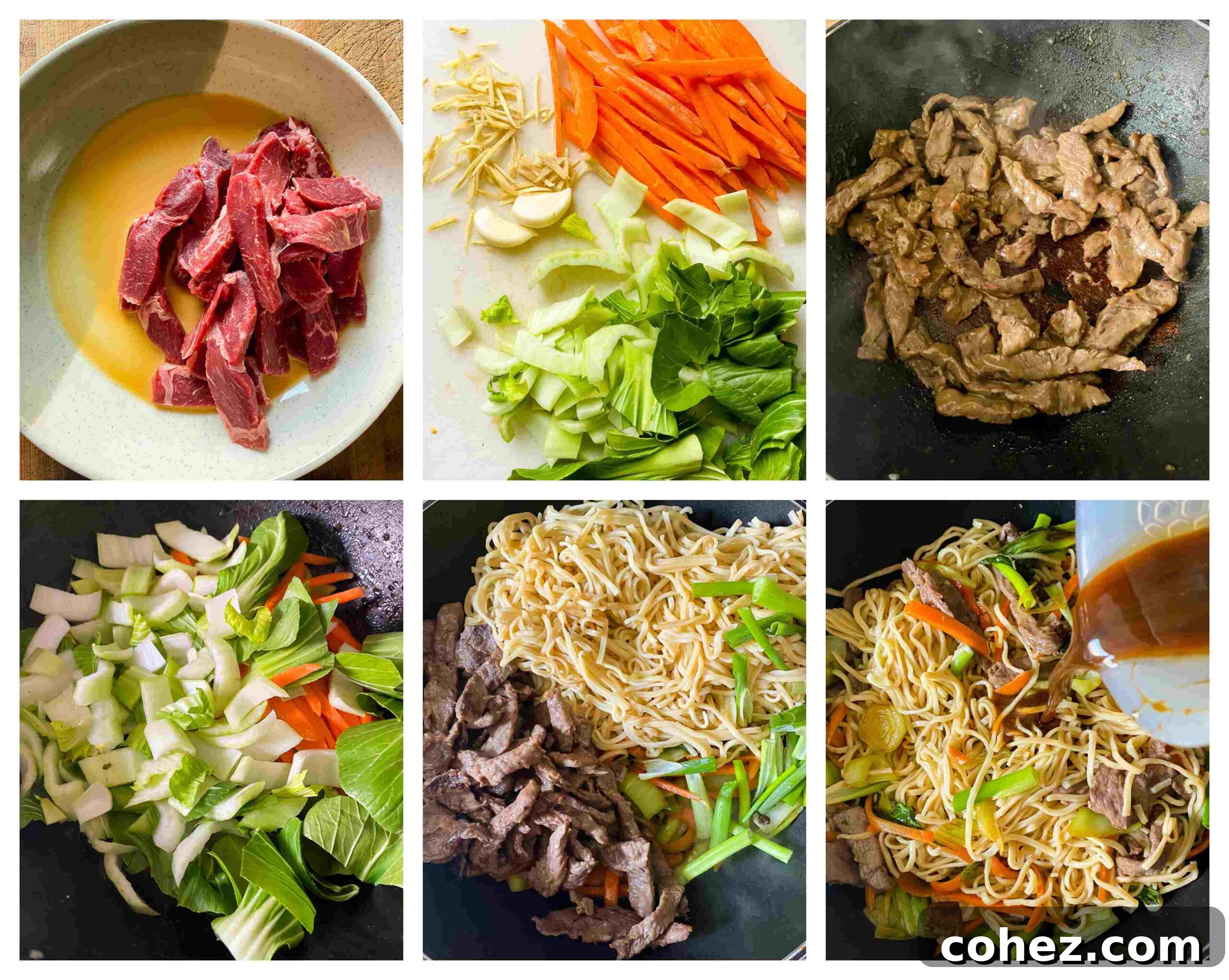
First, prepare the beef marinade: In a bowl, mix the cornstarch, soy sauce, and Shaoxing wine. Slice the beef steak into very thin strips, ideally no thicker than 1/4 inch. (For easier slicing, freeze the steak for about 30 minutes before cutting to firm it up.) Add the thinly sliced beef to the marinade and set aside while you prepare the remaining ingredients.
-
Cook the Asian medium egg noodles according to the package instructions. Typically, dried egg noodles take approximately 3-4 minutes to cook. Once cooked, drain the noodles, rinse them briefly under cold water to prevent sticking, and set them aside.
-
While the noodles are boiling or after they are cooked, prepare your vegetables. Cut the carrots into thin matchsticks, slice the bok choy into manageable pieces, and separate the green parts of the green onions, cutting them into 3-inch lengths. Finely slice the white parts of the green onions.
-
Prepare the Chow Mein sauce by whisking together the oyster sauce, dark soy sauce, sugar, white pepper, and sesame oil in a small bowl. Set this flavorful sauce aside.
-
Heat 1 tablespoon of vegetable oil in a wok or a very large pan over high heat until it begins to smoke slightly. Add the marinated beef strips and stir-fry for 5-7 minutes, or until cooked through and slightly browned. Remove the cooked beef from the pan and transfer it to a separate plate.
-
Add another tablespoon of oil to the same pan. Reduce the heat to medium. Add the chopped white parts of the green onions, minced garlic, and grated ginger. Stir-fry for about 30 seconds until fragrant. Then, add the matchstick carrots and bok choy. Increase the heat to medium-high and stir-fry for 3-5 minutes, or until the vegetables are cooked but still firm and crisp to the bite.
-
Return the cooked noodles and beef to the pan with the vegetables, along with the green parts of the green onions. Toss gently to combine all ingredients. Pour the prepared sauce over everything and continue to stir-fry until all the ingredients are evenly coated with the rich sauce and thoroughly warmed through. Taste the Chow Mein and add a pinch of salt if needed. Serve immediately, garnished with a sprinkle of sesame seeds.
Nutrition Facts (Approximate per serving)
Calories: 526kcal |
Carbohydrates: 74g |
Protein: 37g |
Fat: 8g |
Saturated Fat: 2g |
Polyunsaturated Fat: 1g |
Monounsaturated Fat: 3g |
Cholesterol: 69mg |
Sodium: 1717mg |
Potassium: 1018mg |
Fiber: 4g |
Sugar: 6g |
Vitamin A: 11990IU |
Vitamin C: 97mg |
Calcium: 275mg |
Iron: 4mg
Nutrition information is automatically calculated, so should only be used as an approximation.
Tried this recipe?
Let us know how it was!