
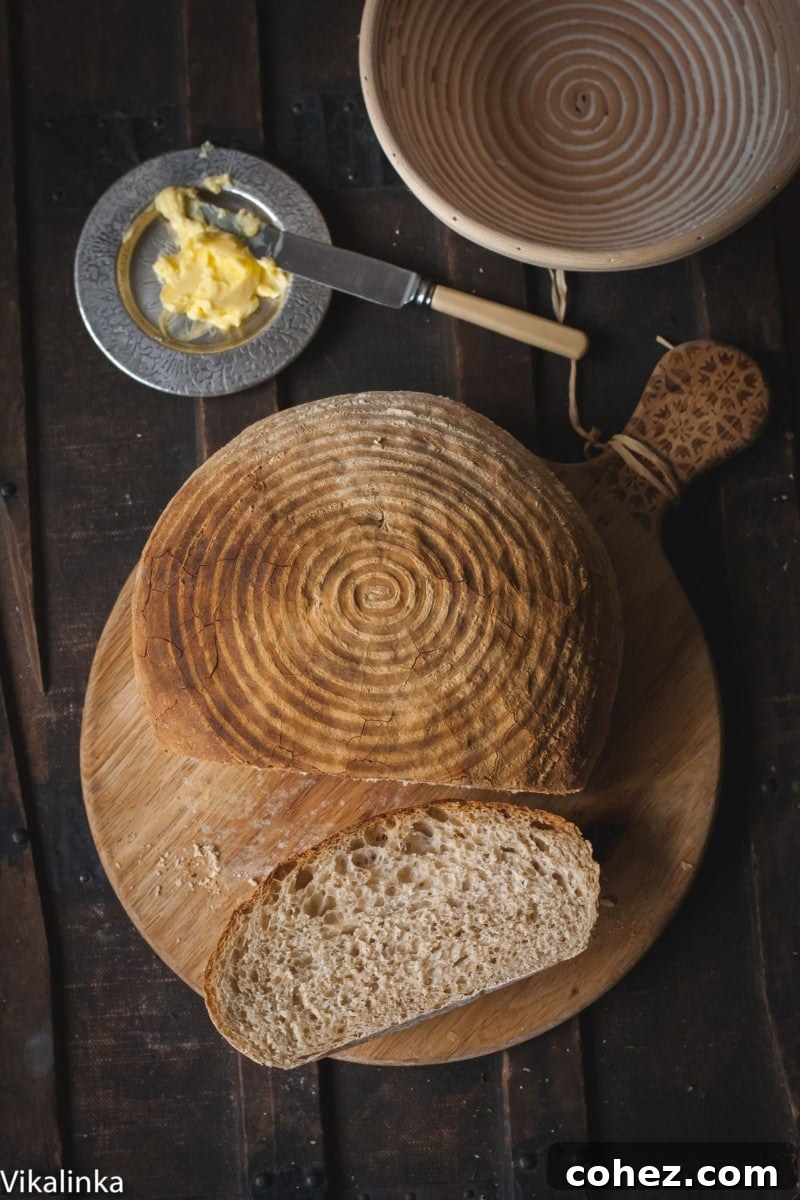
Unlock the secret to bakery-quality bread right in your own kitchen with this incredibly easy no-knead recipe for wholesome Rosemary Spelt Bread. Prepare to be amazed by the delicious aroma and irresistible taste of homemade goodness that requires minimal effort!
This artisanal bread isn’t just a treat on its own; it elevates simple meals to extraordinary. For instance, it’s absolutely amazing when used for a Gourmet Ham and Cheese Toastie, adding a layer of sophisticated flavor and satisfying texture that store-bought bread simply can’t match.
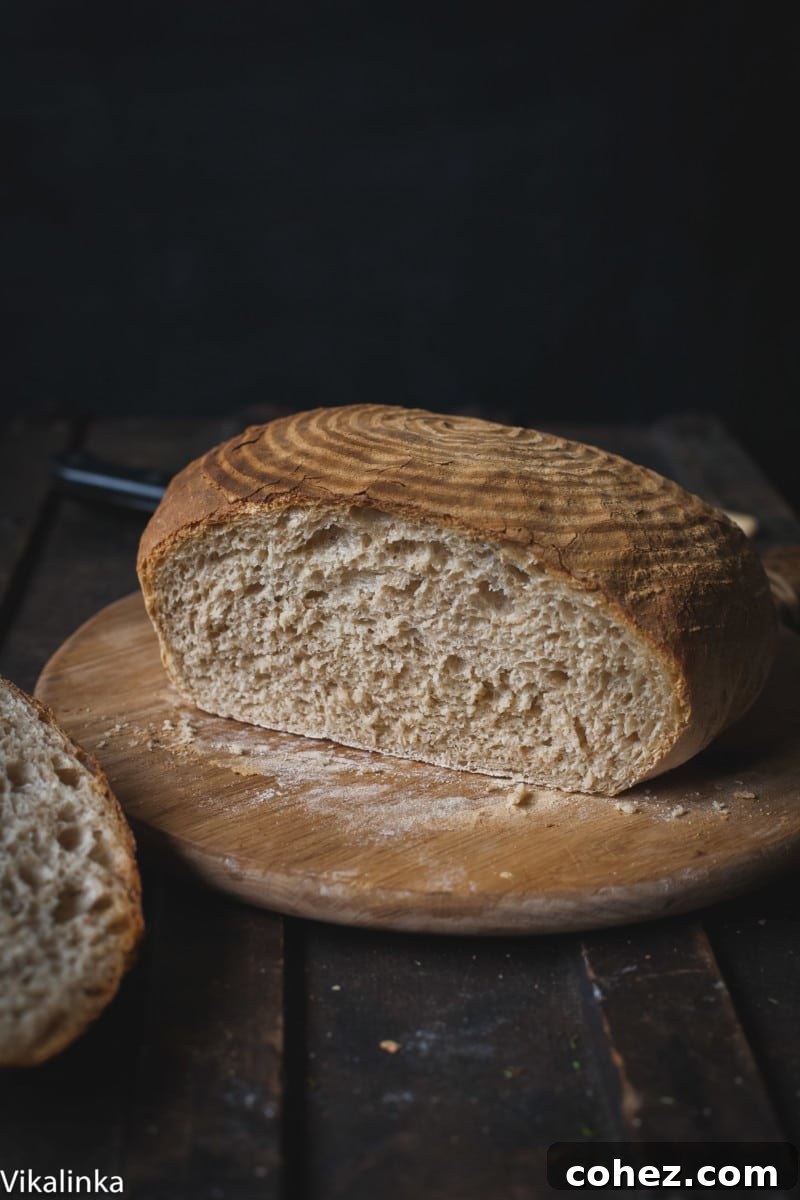
There’s a unique joy that stems from life’s simplest pleasures, and for many, few things compare to the warmth and comfort of a freshly baked loaf of bread. Imagine walking into your kitchen, greeted by the tantalizing scent of baking dough, knowing that the golden, crusty loaf cooling on the counter was lovingly made by your own hands. This isn’t just about food; it’s about creating moments, igniting smiles, and bringing an unparalleled sense of coziness to your home. My family’s excitement is palpable whenever a hot, fragrant loaf emerges from the oven, transforming an ordinary day into a special occasion.
For years, the thought of baking bread felt daunting. The traditional methods, with their endless cycles of kneading, punching down, and meticulous proofing, seemed like an insurmountable barrier. It was a time-consuming ritual that often deterred me from even attempting it. However, the discovery of the no-knead bread method was nothing short of revolutionary. It completely transformed my perspective on home baking, proving that you don’t need to be a seasoned baker or possess a stand mixer to create truly exceptional bread. This simple technique, which relies on time rather than muscle, has ensured that homemade bread is now a cherished staple in our household.
The beauty of the no-knead bread recipe lies in its inherent versatility and forgiving nature. It serves as a perfect canvas for culinary experimentation, allowing you to adapt it to your preferences and explore a myriad of flavor combinations. In this recipe, I’ve embraced the wholesome goodness of spelt flour, known for its rich, nutty undertones, and paired it with the earthy, aromatic essence of fresh rosemary. This combination not only yields a loaf with a deep, complex flavor profile but also introduces you to the delightful characteristics of an ancient grain.
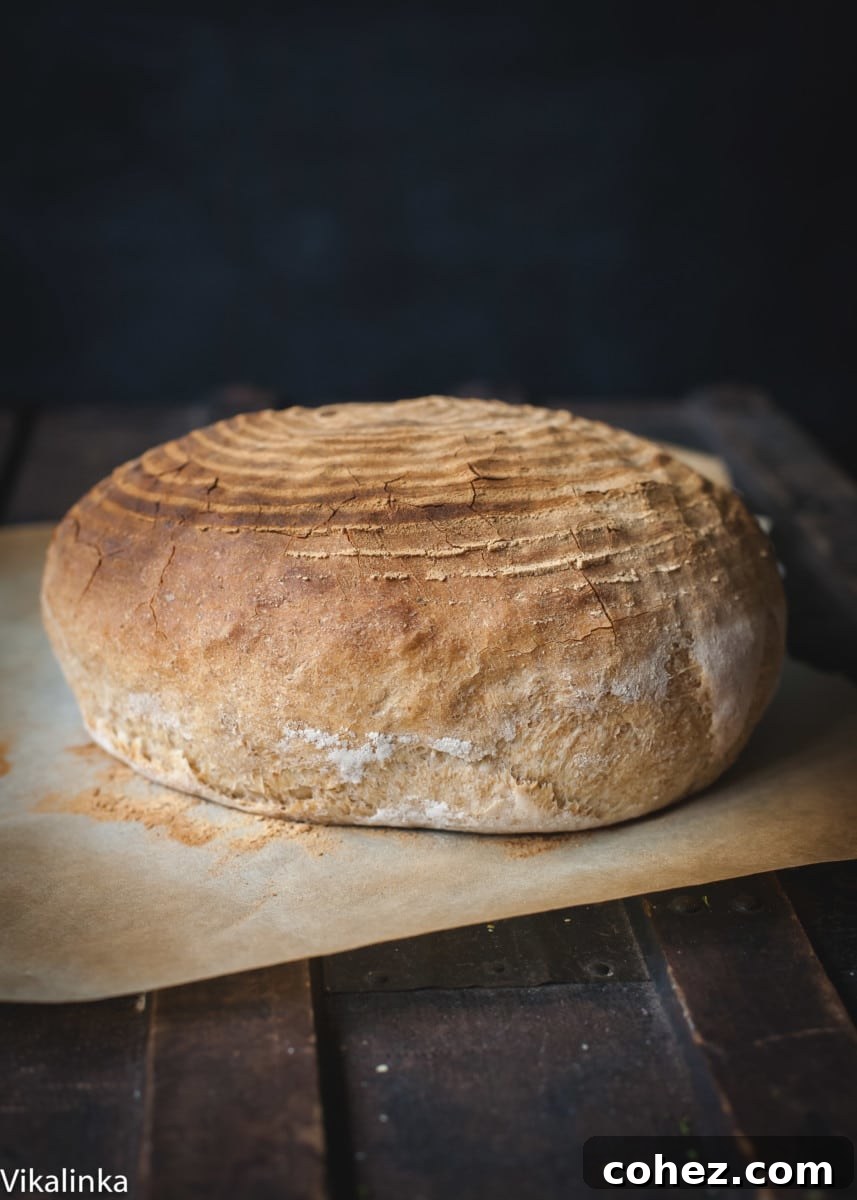
Baking Wholesome Spelt Bread at Home: A Rewarding Experience
Bread making, particularly with a no-knead approach, offers a multitude of benefits extending far beyond just a delicious outcome. It’s a surprisingly therapeutic activity. The process of gently mixing the dough and watching it transform offers a meditative escape, a wonderful way to alleviate stress and work out some daily anxieties. The tangible reward of a warm, fragrant loaf at the end makes it a truly win-win endeavor.
Beyond the therapeutic aspects, baking your own spelt bread means you have complete control over the ingredients. You can ensure that only the highest quality, wholesome components go into your family’s food, avoiding preservatives, artificial flavors, and excessive sugars often found in store-bought alternatives. The taste of homemade bread is simply unparalleled—infinitely superior, with a depth of flavor and a tender crumb that commercial loaves rarely achieve.
Furthermore, homemade bread empowers you with creative freedom. While this recipe highlights the delightful pairing of spelt and fresh rosemary, the possibilities for customization are endless. Feel free to experiment with your favorite herbs like thyme, oregano, or sage, or even incorporate savory additions such as sun-dried tomatoes, olives, or a medley of cheeses for a unique twist. Each variation offers a chance to personalize your loaf, making every baking experience an adventure.
What Makes a Bloomer Loaf Special?
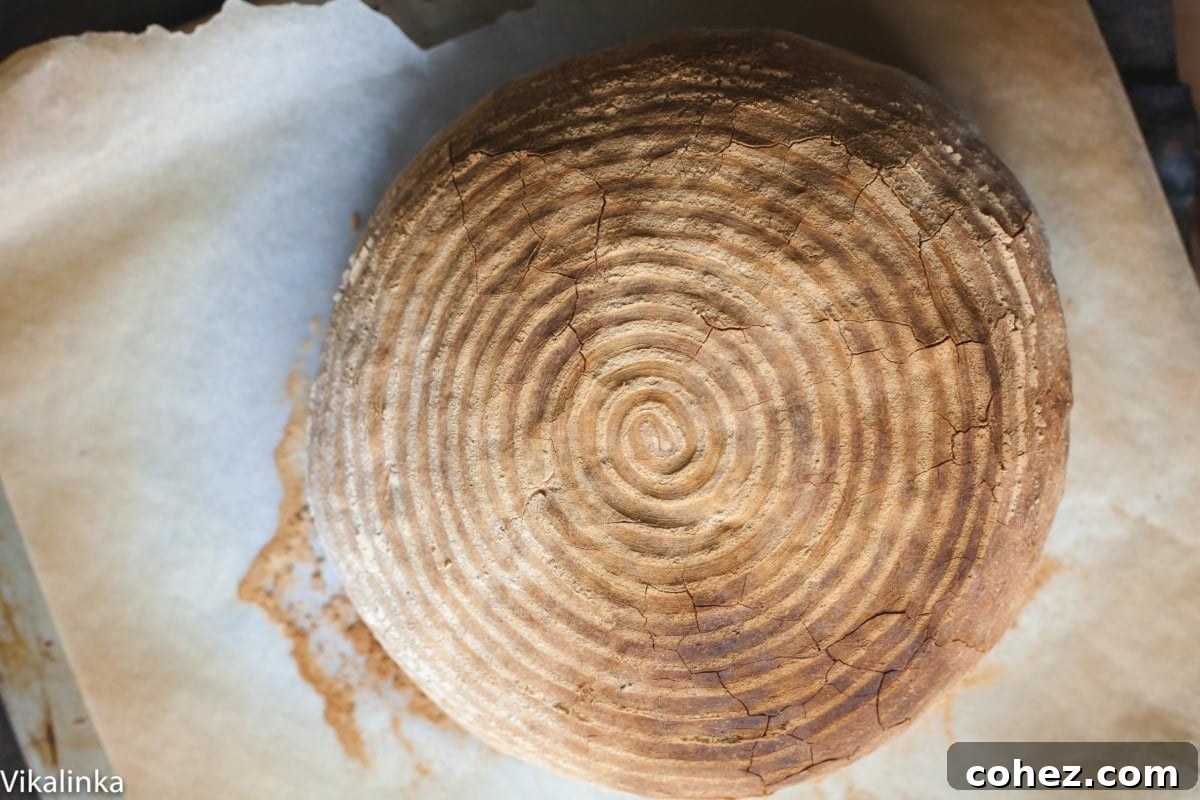
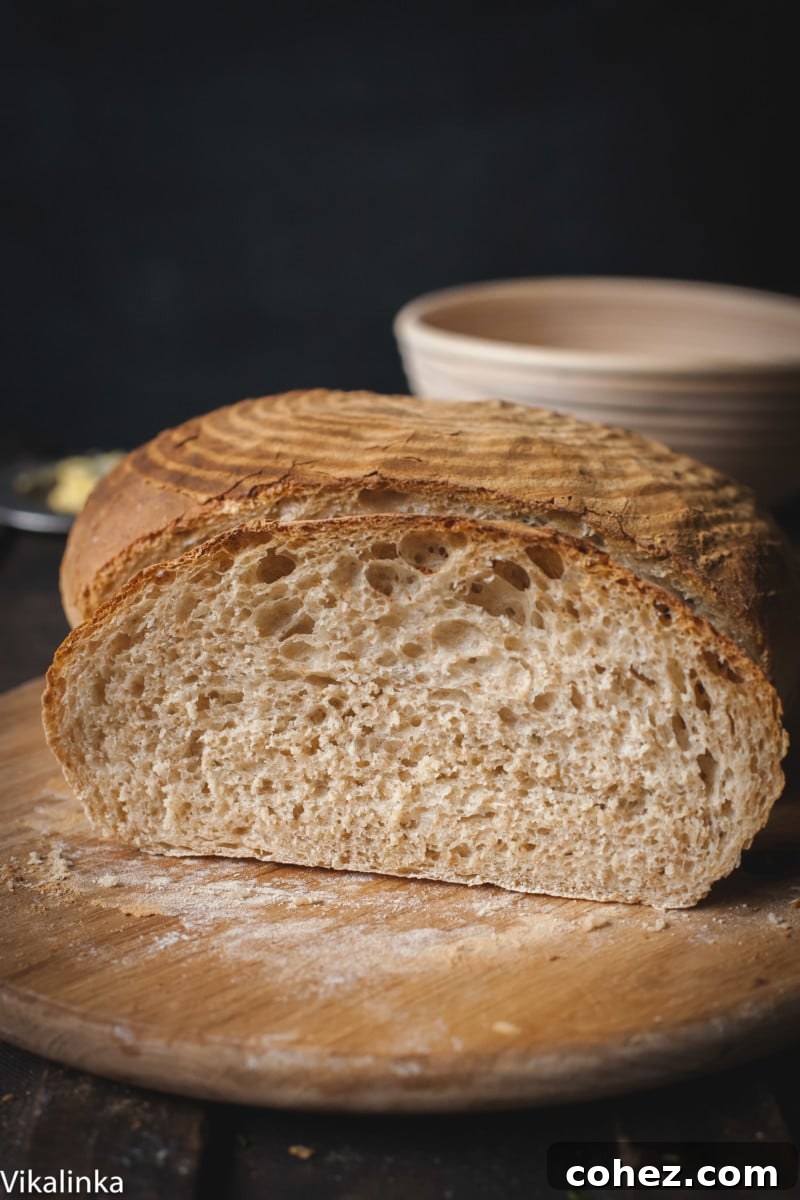
The term “bloomer loaf” refers to a classic British bread, deeply rooted in tradition and a common sight in bakeries and cafes across the UK. It’s celebrated for its distinctive appearance and robust flavor, often serving as the perfect foundation for sandwiches. The name itself provides a clue to its unique baking method: the dough is allowed to “bloom” freely as it rises and bakes, unconfined by the rigid walls of a loaf pan.
This unrestricted rising allows the dough to expand naturally, developing a beautifully rustic shape and a thicker, more irregular crust that crackles with every bite. The result is a loaf that is not only visually appealing but also boasts a wonderfully chewy texture and an exceptional depth of flavor. A true bloomer is characterized by its simplicity, made from fundamental ingredients: water, yeast, salt, and flour, with no unnecessary frills or additives.
In this particular recipe, our bloomer loaf derives its appealingly dark hue and rich flavor from the inclusion of wholesome spelt flour. However, if spelt flour is not readily available, feel free to substitute it with an equal amount of good quality whole-wheat flour. While the flavor profile will subtly shift, the essence of a rustic, homemade bloomer will remain beautifully intact.
The Ancient Allure of Spelt Flour
Spelt, scientifically known as Triticum spelta, is an ancient grain that holds a fascinating place in agricultural history. Once a dominant staple, particularly across Europe, its popularity waned over the last couple of centuries, largely overshadowed by the rise of modern wheat varieties engineered for higher yields and easier processing. However, spelt is currently experiencing a well-deserved renaissance, captivating both home bakers and health enthusiasts alike.
This resilient grain thrives in diverse environmental conditions, including wet climates, which contributed to its widespread cultivation in parts of northern Europe in centuries past. Its deep European roots are undeniable; it was a fundamental component of the diet for countless generations. So ingrained was spelt in European culture that it even earned a mention in the literary works of celebrated figures like Alexander Pushkin, a testament to its historical significance.
Beyond its historical charm, spelt offers a compelling nutritional profile. It is a good source of dietary fiber, protein, and a range of essential minerals, including magnesium, iron, zinc, and B vitamins. Its unique gluten structure, while present (making it unsuitable for those with celiac disease), is often considered easier to digest by some individuals compared to modern wheat. This nutritional density, coupled with its distinctive and appealing nutty flavor, makes spelt flour an excellent choice for a variety of culinary applications, from hearty grain salads and warming porridges to wholesome baked goods like our rosemary spelt bread. Its resurgence is a testament to its enduring quality and the growing appreciation for ancient, nutrient-rich foods.
Essential Tips for a Perfect No-Knead Bread
Recipe Success Secrets
- Flour Quality Matters: Not all bread flours are created equal. Opt for high-protein flour, such as Canadian flour or strong bread flour, as its higher gluten content contributes to a more elastic dough, better structure, and ultimately, a superior loaf with an impressive chew.
- Check Your Yeast: Yeast is a living organism crucial for bread’s rise. Always verify the expiry date on your yeast packet. While it might be viable for a short period past its printed date, older yeast dramatically reduces the chance of a successful rise. If in doubt, perform a quick activation test: mix a teaspoon of yeast with a pinch of sugar in warm water. If it foams within 5-10 minutes, it’s active and ready to use.
- Gluten Content in Spelt: It’s important to remember that spelt flour, despite being an ancient grain, contains gluten. Therefore, this recipe is not suitable for individuals with gluten intolerance or celiac disease.
- Customizing Flavor: The inclusion of fresh rosemary adds a wonderful aromatic dimension to this bread, but it’s entirely optional. For a classic, wholesome spelt bread that lets the nutty flavor of the grain shine through, simply omit the rosemary. Feel free to explore other additions like cracked black pepper, dried herbs, or even a sprinkle of parmesan cheese for different variations.
- The Right Temperature for Rising: A warm, draft-free environment is key for successful dough rising. Around 70-75°F (21-24°C) is ideal. If your kitchen is cool, consider placing the covered bowl in a slightly warmed (but turned off) oven or near a sunny window.
- Achieving a Crispy Crust with Steam: The steam created by placing a pan of water in the oven is crucial. It keeps the surface of the dough moist during the initial baking phase, allowing it to expand fully before the crust sets. This leads to a thinner, crispier crust and a more open crumb.
- Cooling is Essential: Resist the urge to slice into your bread immediately after baking. Cooling on a wire rack allows the internal moisture to redistribute and the crust to fully crisp up. Slicing too soon can result in a gummy texture.
- Storage: Once completely cooled, store your rosemary spelt bread in a paper bag or a breathable bread box at room temperature for 2-3 days to maintain its crustiness. For longer storage, slice the loaf and freeze the slices, then toast them directly from the freezer.
More Irresistible Bread Recipes to Try
Once you’ve mastered the art of no-knead bread, a whole world of baking possibilities opens up. Here are a few more delightful bread recipes from our collection that you might enjoy exploring:
- No-Knead Farmhouse Bread
- Honey and Buckwheat Soda Bread with Sea Salt
- Quick White Bread with Dukkah Spice Dip
- Rhubarb Jam Swirled Bread
Rosemary Spelt Bread
Ingredients
- 500ml/2 cups warm water
- 7g/1 packet instant dried yeast
- 110g/1 cup whole grain spelt flour or whole-wheat flour
- 400g-450g/3 cups bread flour
- 1 tbsp sea salt
- 1 rosemary sprig, leaves chopped (optional)
Instructions
-
Dissolve yeast in warm water. In a large bowl, combine both flours, salt, and chopped rosemary. Pour the yeasted water into the dry ingredients and mix with your hand just until a shaggy dough forms. There is no need for kneading. Cover the bowl tightly with plastic wrap and then with a kitchen towel, placing it in a warm spot to rise for 2 hours.
-
Once risen, gently turn the dough out onto a lightly floured surface and delicately form it into a ball. If using a banneton (proofing basket), dust it generously with flour and place the dough inside, seam-side up, to rise for another hour, covered with a tea towel. If you don’t have a banneton, place the formed dough directly onto a baking sheet lined with parchment paper, dust it with more flour, and cover with a tea towel for its second rise.
-
Preheat your oven to 450F/250C. Arrange two oven racks: one in the lower third and the other in the middle of the oven. Place a deep baking pan on the bottom rack and fill it with about 1 inch of water. This creates steam in the oven, which is essential for developing a beautiful, crispy crust.
-
If you used a banneton, carefully invert the dough onto a parchment-lined baking sheet. Place the baking sheet with the bread into the preheated oven on the middle rack. If your bread was already rising on a baking sheet, simply remove the tea towel and place it directly into the oven. Bake for 30 minutes until deeply golden brown and cooked through.
-
As soon as the bread is baked, immediately remove it from the baking sheet and transfer it to a wire rack to cool completely. This crucial step prevents the bottom from becoming soggy and ensures a perfectly crisp crust throughout.
Nutrition
Nutrition information is automatically calculated, so should only be used as an approximation.
Tried this recipe?Let us know how it was!